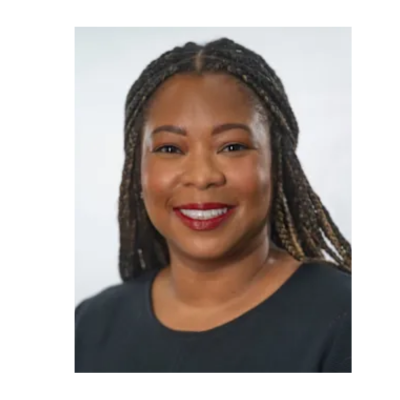
Wellesley Wilson
Every month, RG175 spotlights one of the independent school leaders we've placed, taking a deeper dive into their journey, insights, and impact. This month, we feature Wellesley Wilson. Wellesley is originally from Washington, DC, where she attended Maret School from first through twelfth grade — a connection that would later shape the arc of her career. After college, she returned to Maret in 2008 as Assistant Director of Upper School Admission, eventually rising to Director of Upper School Admission. She spent seven years there before moving to Nashville as Director of Admission and Financial Aid at The Harpeth Hall School. From there, she relocated to Seattle to serve as Director of Admission and Financial Aid at Lakeside School, and most recently stepped into the role of Director of Institutional Advancement before joining Kent Place School as Chief External Affairs and Strategic Partnerships Officer.
Outside of work, Wellesley is an avid reader — devoted to Louise Penny's mystery series and returning every summer to Joan Didion's A Book of Common Prayer and Slouching Towards Bethlehem. Wellesley loves travel, especially road trips and destinations she hasn't explored before, and a good cup of tea.
What is your connection to RG175?
I worked with RG175 this past February on a search with Molly King and Rebecca Upham, which was successful and led to my placement at Kent Place.
Can you summarize your experience working with RG175?
February was my first time working with RG175, so I wasn't entirely sure what to expect. I was a little nervous about working with a consultant who is also working with the school. That dynamic is very common in this field, but I just didn't know how it would unfold. What I came to appreciate in both searches was that the consultants were professional and personal. It genuinely felt like I was talking with peers, which meant a lot to me. I'm an East Coaster originally, so I tend to be direct, and I appreciated that they were effective and able to engage with some pretty pointed questions. This wasn't my first, second, or third time going through a search process, so I came in with a clear sense of who I am and what I have to offer. Not every school is going to be the right match, and I appreciated being able to have those honest conversations — whether it was asking Molly and Rebecca, "Does my background make sense for Kent Place?" or asking Emilie, "Can you help me decode what this language in the position statement actually means?" It felt like a genuinely supportive and substantive conversation throughout.
What do you enjoy most about your work in independent schools?
I'm an independent school kid myself, and I've been working in this world since 2008, so the things that drew me in at the beginning are still true today. I love working with students and families. Being part of a school community means you get to watch people grow over time, and that's a really special thing. But something I didn't anticipate when I started out is how much I would come to value the network of people in this profession. After a while, you start building relationships with colleagues across the country who do the same work you do, just in different contexts and different cities. You can pick up the phone and call someone and say, "I'm dealing with this. Have you been here before? Where do I start?" That kind of candid, collegial exchange has been invaluable, especially navigating something like COVID or the demographic cliff we're all watching. I don't want to think through those challenges alone. Having a wide network of people who are honest, direct, and genuinely helpful — including colleagues who've become friends — has been one of the most rewarding parts of staying in this work for as long as I have.
If you had one thing to recommend to other candidates, what would it be?
Do your homework. Schools put out great position statements, but that is far from the only information available to you. Read the school's website, look at recent news stories, and research the members of the leadership team. The more you know going in, the more in-depth your conversations with the consultants will be and the more interesting your questions will be. Instead of asking something generic like, "What does success look like in this role?" you can ask something specific like, "I noticed you're currently doing this initiative. How does that connect to your mission?" There is so much you can learn on your own. Doing that preparation ahead of time not only made my conversations with the consultants richer, but it also gave me better insight into what I should be asking for and what the school truly values.